“What exhibit should we check out this weekend?” That’s what your friends will ask you after they get back from vacation. To help you answer them, we’ve selected the cream of the crop of the upcoming exhibits in Paris.
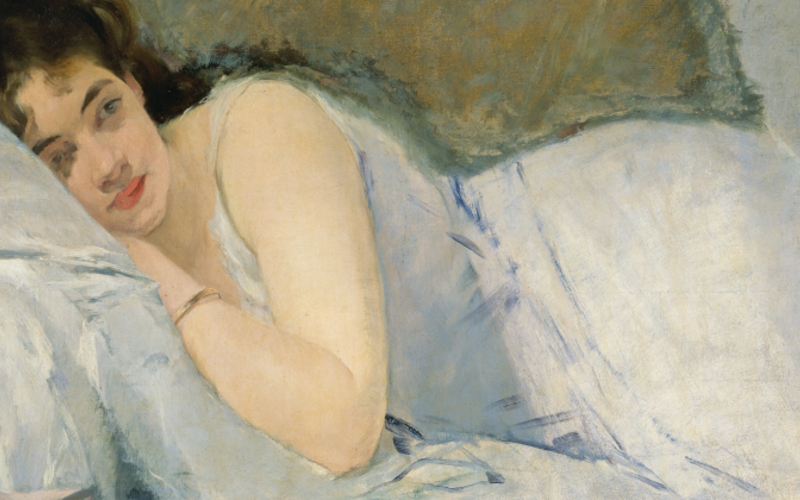
“Eva Gonzalès: The Journey of a Free Artist,” at the Petit Palais
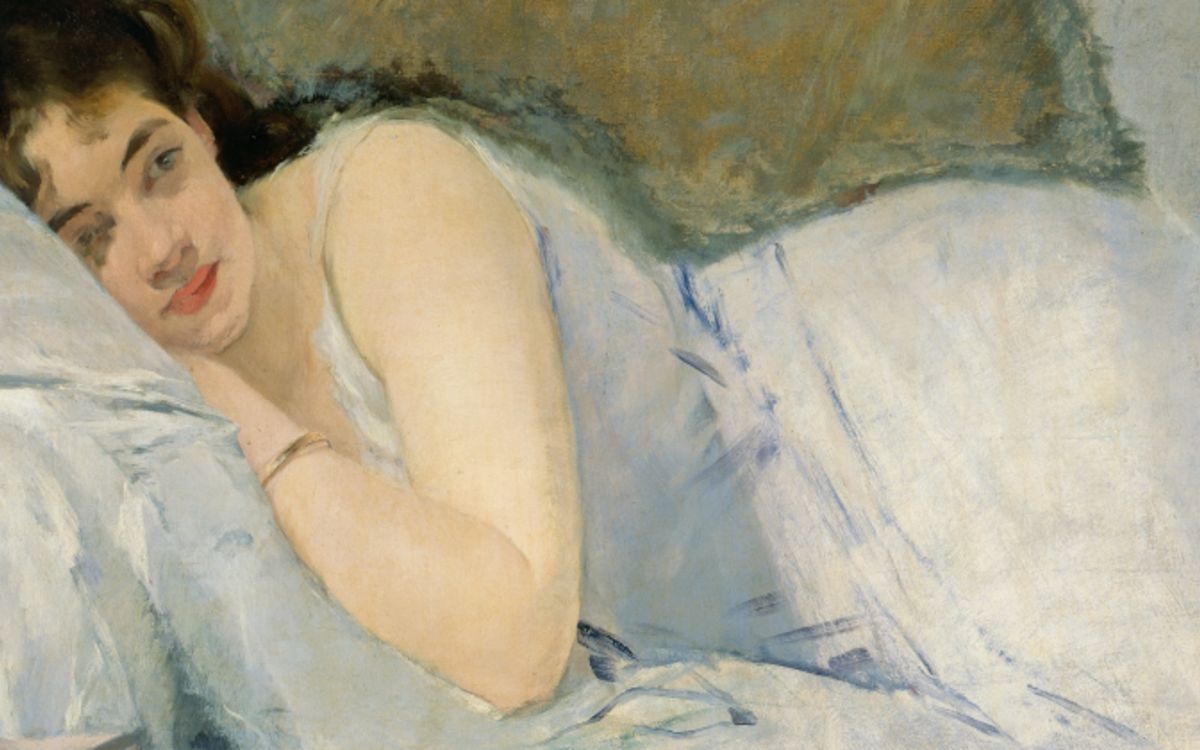
She has never been the subject of a retrospective in France or even internationally, and yet Eva Gonzalès managed to make a name for herself in an era that left little room for women artists. Growing up in a cultured bourgeois milieu, the painter quickly developed a sensitive artistic vision, focusing on female figures, scenes of daily life, luminous interiors, and delicate landscapes. In 1869, her encounter with Édouard Manet—whose sole student she became—marked a decisive turning point in her career. A career cut short by her death at age 36, plunging her name into obscurity… but one we can’t wait to see restored at the Petit Palais (8th arrondissement) starting September 15!
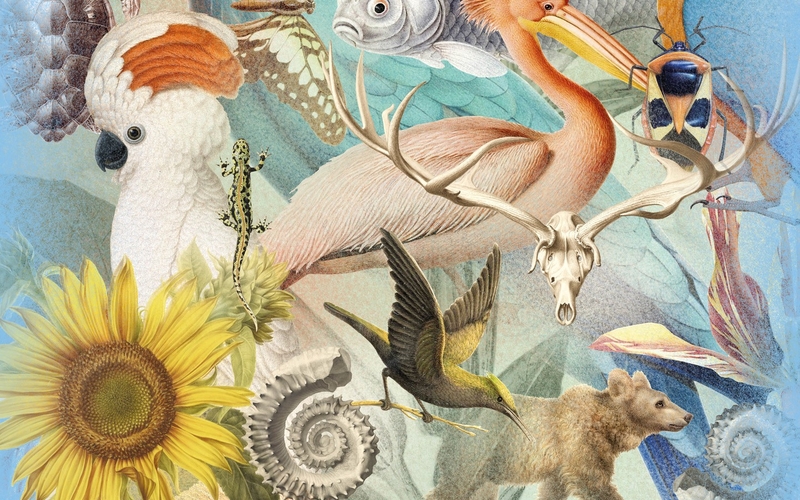
“Artists at the Museum,” at the National Museum of Natural History
Four hundred years—that’s something to celebrate! To mark this anniversary, the National Museum of Natural History (5th arrondissement) is delving into its rich collections to explore the deep connections between art and science. The result? More than 300 works—spanning painting, sculpture, drawing, photography, taxidermy, film, and architecture— show how artists and scientists have viewed living things and their evolution since the founding of the Jardin des Plantes (5th arrondissement) in 1626. A place that has become both a testing ground and a source of inspiration for artists such as Salvador Dalí, Alberto Giacometti, and Bernard Buffet.
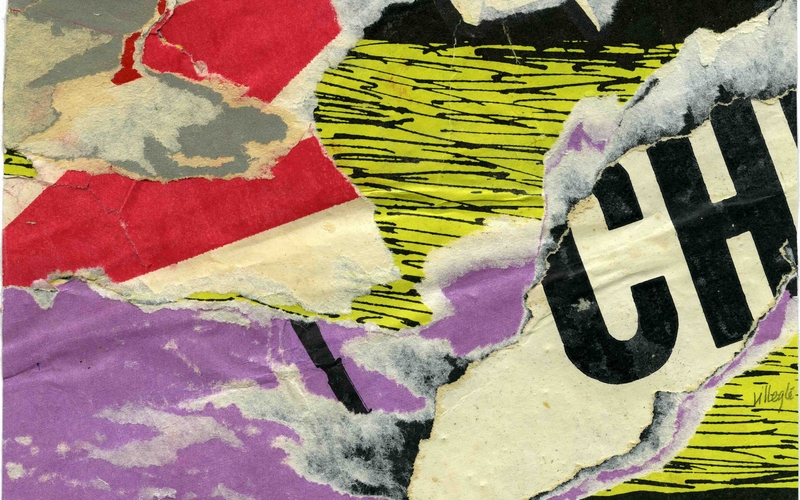
“Paris on the Fly: Jacques Villeglé and Urban Art,” at the Carnavalet Museum
Do the walls of Paris tell its story? That, at any rate, is the theme of this exhibition, which opens on October 14 at the Carnavalet Museum (Paris Center) and was conceived to mark the centennial of Jacques Villeglé’s birth. A deep dive into the world of an artist whose ties to contemporary urban art are undeniable. Here, visitors discover a radical approach he began in the 1950s by collecting posters plastered in public spaces. From these fragments of history, which tell of the struggles, protests, and upheavals of an era, he created poetic, graphic, and torn works. Above all, he laid the groundwork for other art forms, such as street art and collage.
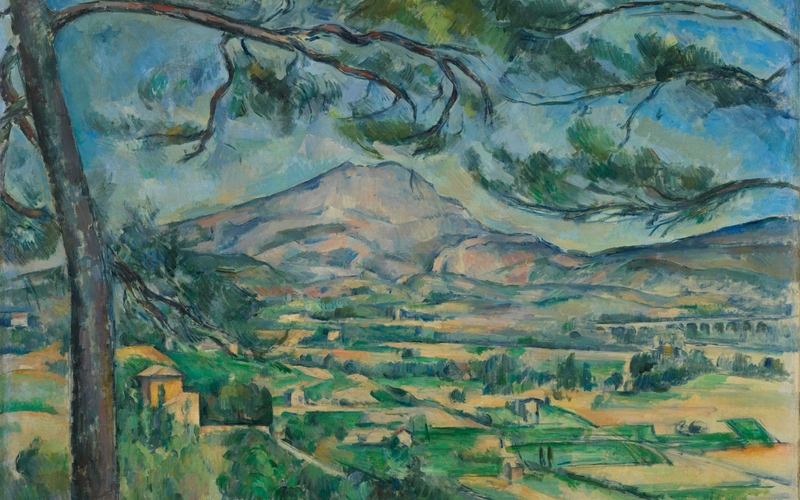
“Cézanne and Us,” at the Grand Palais
More than a century after his death, Paul Cézanne continues to challenge artistic trends with his paintings. Starting September 23, the Grand Palais (8th arrondissement) will highlight his unique, modern, and profoundly free style, as well as the many artists he inspired. Nearly 180 works trace how he was viewed, admired, reinvented, and sometimes exploited by those who came after him—from Paul Gauguin to Henri Matisse, including Piet Mondrian and Bridget Riley.
“Delacroix, Horses, and Other Animals,” at the Eugène-Delacroix Museum
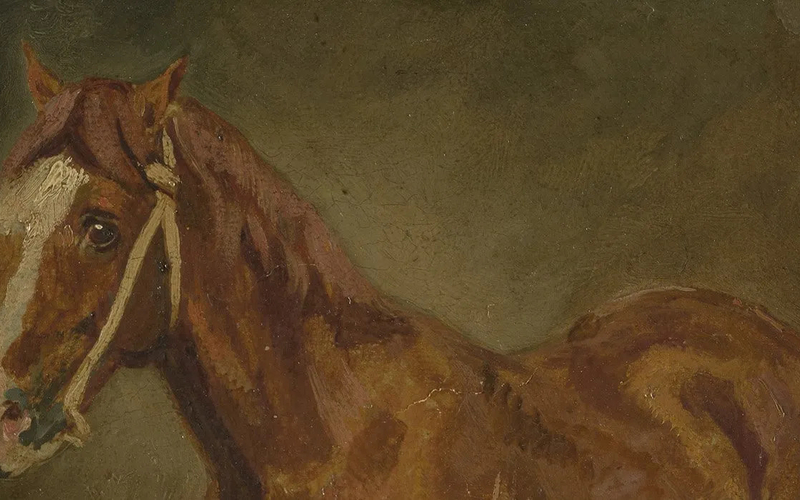
A source of inspiration, a subject of study, and a stage in the creative process: the horse is an integral part of Eugène Delacroix’s world. Through April 18, 2027, the Eugène-Delacroix Museum (6th arrondissement) is showcasing the many horses, tigers, lions, and other animals that populate the artist’s canvases. Centered on the figure of the horseman and the fantasia, a rich imagination takes shape—one born during his 1832 trip to Morocco. The exhibition offers visitors their first chance to see the two studies of stallions recently acquired and restored by the museum. These works were not, at first, intended for exhibition, but merely to serve as references for the artist.
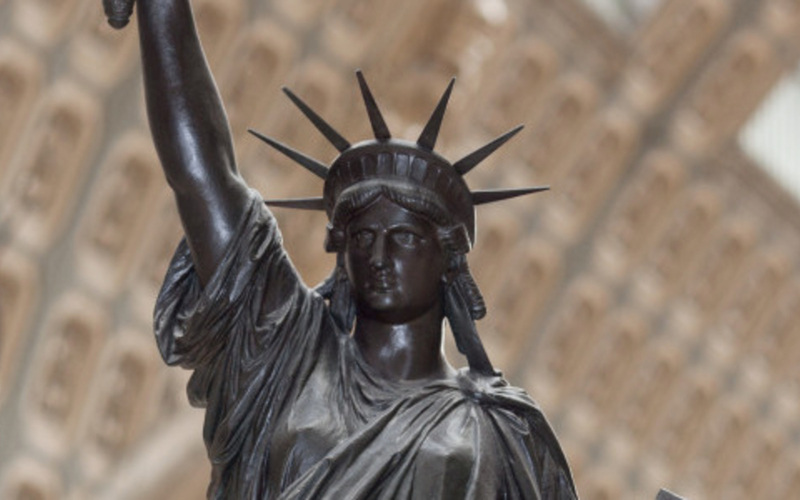
“Auguste Bartholdi: Liberty Enlightening the World,” at the Musée d’Orsay
To mark the250th anniversary of the Declaration of Independence of the United States, the Musée d’Orsay (7th arrondissement) is shining the spotlight on Auguste Bartholdi, a leading figure in 19th-century sculpture best known for his monumental work *Liberty Enlightening the World*. Liberty Enlightening the World. Originally conceived as a gift from France to the United States to commemorate the centennial of American independence in 1876, the statue was finally completed ten years later, in 1886, and went on to become an allegorical figure known throughout the world. This dedication marked the culmination of years of international collaboration and collective effort to erect this copper colossus, standing 93 meters tall once placed on its pedestal.
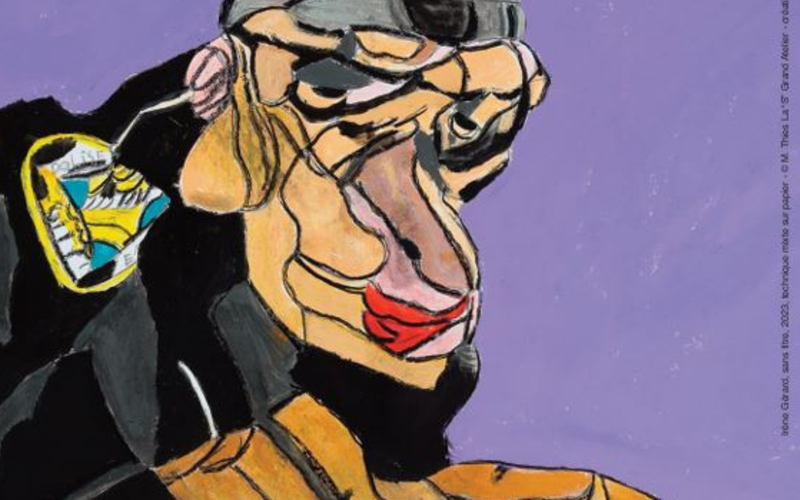
“Art Brut Revisited: The ‘S’ Grand Atelier,” at the Halle Saint-Pierre
After exploring Iranian art brut and its connections to textile art, the Halle Saint-Pierre (18th arrondissement) is now turning its attention to its legacy. Starting on September 11 , it will host the art brut and contemporary art center La “S” Grand Atelier (Vielsalm, Belgium) to engage with the concept of “renewed art brut,” developed by art historian Michel Thévoz. While he believes the heroic era of art brut has passed, this artistic movement still demonstrates great power. This vitality is driven in particular by the Belgian artist residency, where talented individuals (some of whom have intellectual disabilities) express themselves freely.
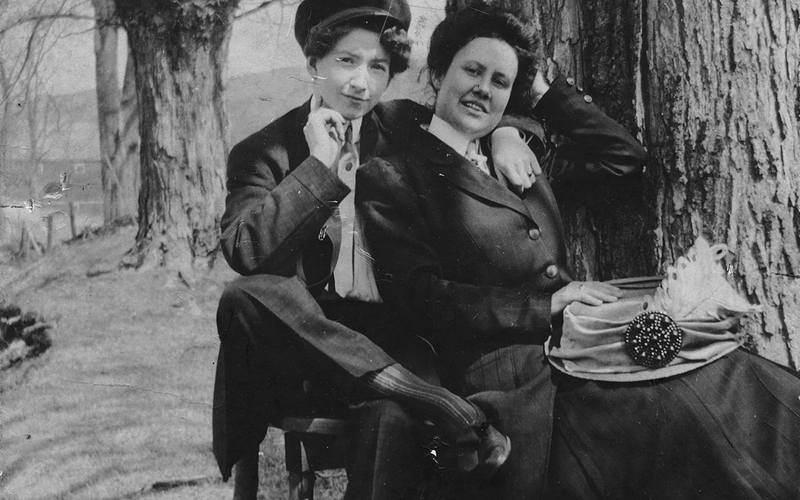
“A Wardrobe of One’s Own: Dissident Feminities in the 19th Century,” at the Palais Galliera
So-called “women’s” fashion is not limited to long dresses, jewelry, and lace. As early as the19th century , women began adopting the masculine styles of their contemporaries, giving rise to unconventional expressions of femininity. Amazon outfits, pants, ties, bow ties, top hats: in addition to the garments and accessories that punctuate this wonderful exhibition on display at the Palais Galliera (16th arrondissement), a selection of paintings, fashion posters, and photographs reveals just how much the masculinization of women’s fashion challenged gender binaries at the time. But it also shows how this trend accompanied societal changes, particularly regarding the role of women in France and in the Anglo-Saxon world.
“Andy Warhol: Line and Image,” at the Musée du Luxembourg
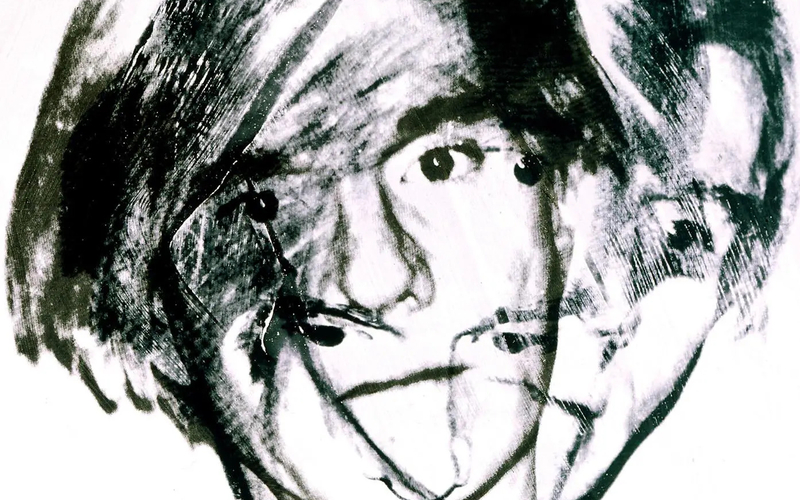
While he is best known for his silkscreen prints, his portraits of celebrities, and his reinterpretations of everyday objects, Andy Warhol’s drawings have remained relatively obscure. Starting September 16, the Musée du Luxembourg (6th arrondissement) is presenting an exhibition organized around five thematic sections, which explore, among other things, his early career as an advertising illustrator, his long-hidden gay iconography, and his fascination with faces and masks. The exhibition design also reveals how drawing became a means of empowerment and a space for experimentation. A lovely way to see Andy Warhol in a new light!
“Kerry James Marshall, The Histories,” at the Museum of Modern Art in Paris
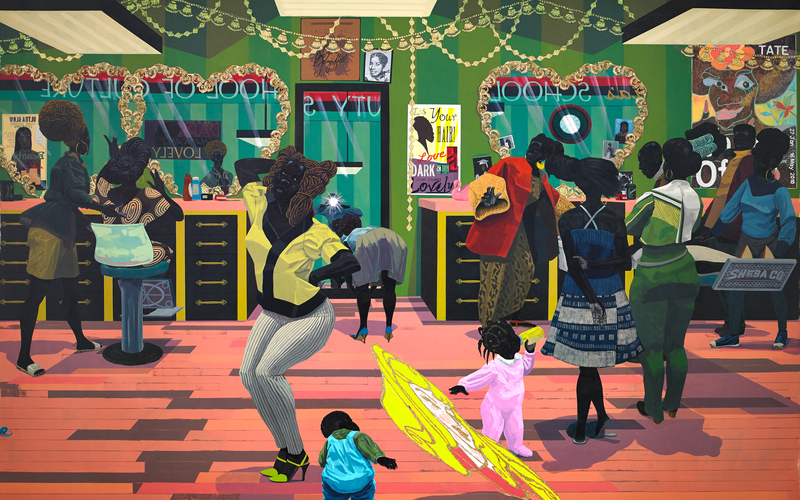
Throughout the upcoming season, Kerry James Marshall will be taking over the Museum of Modern Art in Paris (16th arrondissement). Considered one of the most influential contemporary American painters —as evidenced by his prolific body of work spanning more than four decades—the American artist is presenting 70 works, including eight never-before-seen pieces created specifically for the exhibition. By giving Black people a space to be seen in his monumental canvases, he not only grants them a place in the history of art but also lends an almost epic dimension to their daily lives. Powerful scenes that he brings to life through his brushstrokes and other visual expressions, such as comics and Afrofuturism.
Settings Text Html